

Building Strength Through Strategic Clarity
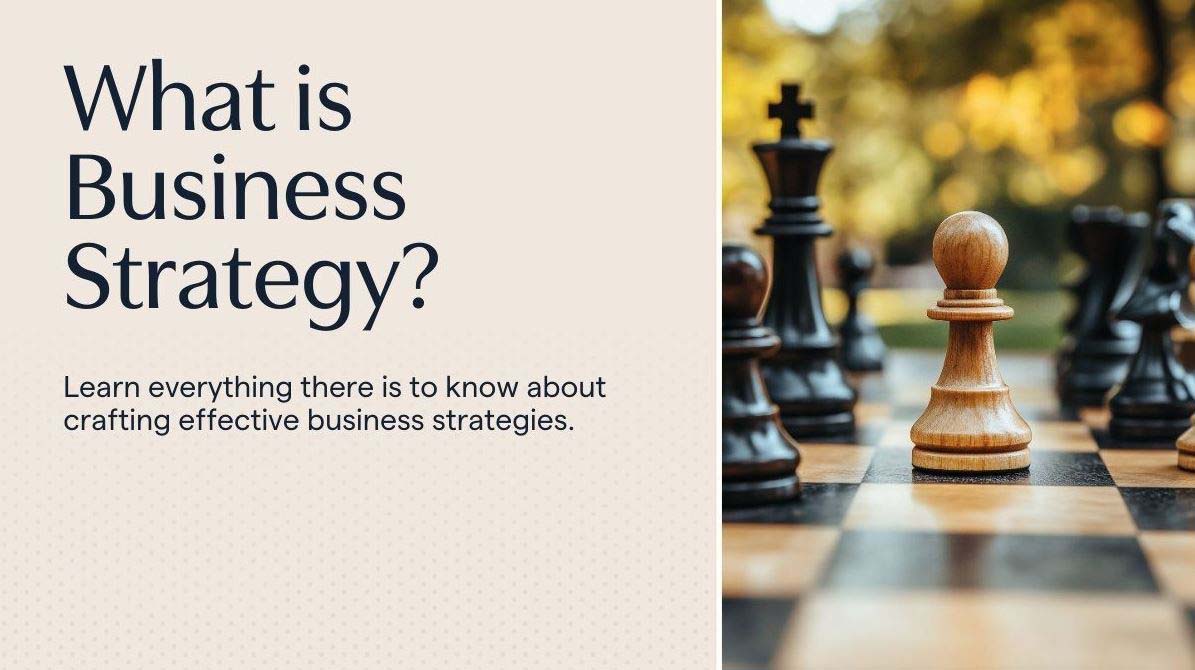
Strategic Thinking Turns Vision Into Measurable Impact
The Foundation Of Strategic Clarity
Every successful business begins with a reason for existing that extends beyond profit. Strategy provides the bridge between ambition and execution, translating purpose into action. It defines direction, prioritizes effort, and protects against distraction. A well-formed strategy answers three essential questions: where are we now, where do we want to be, and how will we get there. Without clear answers, even the most innovative ideas drift without momentum. Strategic clarity transforms energy into alignment. It ensures that every member of an organization works toward a common objective rather than isolated goals. This alignment creates efficiency because decisions become easier when measured against a shared mission. The process of developing strategy is introspective before it becomes analytical. Founders must understand their values and motivations before choosing markets or models. Authenticity strengthens focus, while clarity simplifies growth. A company that knows why it exists will always find how to exist.
Strategic clarity also creates resilience. When unexpected challenges appear, clarity provides a framework for response. It becomes a compass in times of uncertainty. Many startups fail not from lack of talent but from absence of direction. Strategy gives shape to creativity and turns vision into consistency. It balances optimism with pragmatism, guiding decisions that sustain progress even in difficult conditions. A business that operates with strategic clarity does not chase trends but shapes them through purpose-driven execution.
The Art Of Competitive Positioning
Competition defines the reality of every market. Strategy transforms competition from a threat into a catalyst for refinement. To position effectively, companies must first understand the landscape they inhabit. This understanding goes beyond knowing who the competitors are. It involves recognizing how customers perceive value, what alternatives they consider, and what emotional triggers influence their choices. Positioning is not about being everything to everyone. It is about becoming essential to someone. The most successful businesses find a unique space in the market where their capabilities and customer needs intersect perfectly. They design experiences rather than products, shaping identity around the benefits that matter most.
Effective positioning requires courage. It means choosing not to compete on certain fronts and committing fully to the areas of strength. Startups often make the mistake of imitating established players, assuming that similar features will yield similar success. Instead, strategy asks companies to differentiate through authenticity. Distinction creates loyalty, while imitation creates invisibility. The strongest brands align their market position with their internal culture. Every action, message, and customer interaction reinforces a consistent promise. This coherence between what a company does and what it represents turns customers into advocates and markets into communities. Positioning, therefore, is not a static label but a living narrative that evolves with the company’s journey.
Decision Making As A Strategic Discipline
Strategy transforms decision making from reaction into intention. In growing businesses, choices multiply faster than resources. Every opportunity carries a cost, and without structure, enthusiasm can lead to chaos. Strategic discipline ensures that decisions follow a logic rooted in long-term goals rather than short-term excitement. It involves assessing every option through filters of alignment, impact, and feasibility. Founders who master this discipline learn to say no more often than yes. They understand that focus creates power. The ability to prioritize is what separates consistent growth from constant motion. Decision making under strategy becomes a rhythm of testing, learning, and adapting. It accepts uncertainty but rejects randomness.
Clarity in decision frameworks also empowers teams. When employees understand the principles guiding leadership choices, they can act autonomously without fear of misdirection. This distributed confidence accelerates execution. Strategic decision making values reflection as much as speed. Time invested in analysis reduces time lost to correction. The discipline does not eliminate risk but manages it through awareness and preparation. Every major innovation, from entering a new market to launching a product, begins with a series of small but deliberate choices. The sum of these choices forms the foundation of strategic maturity. Businesses that treat decision making as a craft build cultures of accountability and foresight that endure beyond individual leadership.
Adapting Strategy In Dynamic Markets
No strategy remains permanent because no market remains static. The rapid evolution of technology, consumer behavior, and global economics requires constant adaptation. Strategic agility is the ability to evolve without losing identity. It involves monitoring external signals, analyzing internal data, and rebalancing priorities when needed. Agile strategy is not the same as impulsive reaction. It follows a structured process of observation, interpretation, and adjustment. Companies that master adaptation recognize patterns early and respond faster than competitors. They see disruption as opportunity rather than disaster. Adaptation becomes a habit when organizations encourage curiosity at all levels. Employees who are empowered to question assumptions contribute valuable insights that keep strategy alive and relevant.
The most resilient businesses maintain a dual mindset. They pursue stability in their core operations while allowing flexibility in their growth initiatives. This duality ensures that innovation does not jeopardize reliability. Periodic strategy reviews, scenario planning, and feedback loops become tools for renewal. Agility also demands humility, the willingness to accept when previous assumptions no longer hold. Strategic leaders learn to detach ego from ideas, focusing instead on outcomes. Adaptation is not about abandoning plans but about refining them in rhythm with reality. A company that treats adaptability as a continuous process becomes capable of thriving in uncertainty while others freeze in confusion.
The Role Of Leadership In Shaping Vision
Leadership and strategy are inseparable. A leader defines not only where a company is going but why it must go there. The strength of a strategy often reflects the clarity of the person articulating it. Strategic leaders combine foresight with empathy, understanding both markets and people. They communicate vision in ways that inspire ownership. Employees become participants in purpose rather than executors of orders. A leader’s role is to turn complexity into simplicity without reducing meaning. They translate abstract goals into tangible actions. Leadership in strategy also involves listening. The best ideas often emerge from those closest to the problem. By fostering openness, leaders build cultures where strategy is co-created, not imposed.
Consistency defines credibility. When leadership acts in alignment with strategic principles, trust grows naturally. Teams follow direction not from obligation but belief. Strategic leaders balance ambition with realism, motivating teams to stretch without breaking. They understand that timing is as important as intention. Introducing change too fast can fracture stability, while waiting too long can erase relevance. The art lies in sensing the moment when preparation meets opportunity. Leadership is therefore both an analytical and emotional function. It requires data to guide and intuition to interpret. The harmony of these elements shapes organizations capable of sustained progress.
Integrating Innovation Into Long-Term Planning
Innovation and strategy must coexist, not compete. Too often, companies treat innovation as a separate department rather than as a dimension of their core strategy. True innovation emerges from the willingness to question established assumptions. A strategic framework provides boundaries that focus experimentation while preventing chaos. It directs creative energy toward problems that matter. Innovation thrives where there is structure that supports freedom, not control that stifles it. Startups, in particular, benefit from integrating innovation early into their planning process. Instead of chasing trends, they create systems for continuous exploration. These systems combine research, prototyping, and feedback into a sustainable cycle of improvement. When innovation becomes routine, a company no longer fears disruption because it evolves faster than its environment.
Strategic innovation also involves risk management. Experimentation carries uncertainty, but that uncertainty can be mitigated through design. Small-scale testing, limited rollouts, and measurable outcomes create learning without catastrophic loss. Over time, this approach builds institutional confidence. Teams learn to take calculated risks that generate real growth. Innovation becomes a disciplined adventure rather than a reckless gamble. The combination of creativity and strategic logic transforms a business from reactive to proactive. It positions the company not as a follower of change but as a creator of it. Integrating innovation into long-term planning ensures that progress is consistent, not episodic.
Building A Culture That Sustains Strategy
Culture is the invisible infrastructure of every strategy. It determines how plans are executed, how challenges are addressed, and how success is defined. A strategic culture values alignment, accountability, and continuous learning. It transforms goals into habits. Employees in such environments do not need constant supervision because purpose drives them naturally. Culture ensures that strategic intent survives leadership changes and market fluctuations. It embeds adaptability into the organization’s behavior. When culture and strategy are misaligned, friction arises. Execution slows, motivation fades, and opportunities slip away. Building a culture that supports strategy begins with consistent communication. Vision must be repeated, demonstrated, and reinforced through daily actions.
Recognition plays a powerful role in sustaining culture. Celebrating strategic progress, not just financial performance, reinforces desired behavior. When people see their contribution directly linked to the company’s direction, engagement deepens. Training and mentorship extend the same principle, translating strategic values into practical skills. Over time, culture becomes a living expression of strategy. It ensures that decisions at every level reflect the same guiding philosophy. The most successful organizations treat culture as an evolving system, constantly refreshed by new ideas and perspectives. This dynamic alignment between culture and strategy transforms intent into execution seamlessly.
The Future Of Strategic Thinking
The future of business strategy will belong to organizations that combine intelligence with integrity. Artificial intelligence and data analytics will refine decision making, but human insight will remain irreplaceable. Strategy will evolve from a static document into a living ecosystem of feedback, prediction, and adaptation. Companies will rely on collective intelligence, merging employee intuition with algorithmic precision. Sustainability and social responsibility will move from peripheral goals to central strategic drivers, as customers and investors demand purpose alongside performance. Globalization and digital transformation will blur boundaries between industries, creating both challenges and opportunities. The essence of strategy, however, will remain timeless: defining direction, aligning action, and creating value. StartUpSphere celebrates this evolution, recognizing that strategy is not about predicting the future but about preparing for it with imagination, discipline, and courage. In this landscape, those who think deeply, act deliberately, and lead authentically will continue to shape the course of progress.