

The Fall That Teaches What Success Never Could
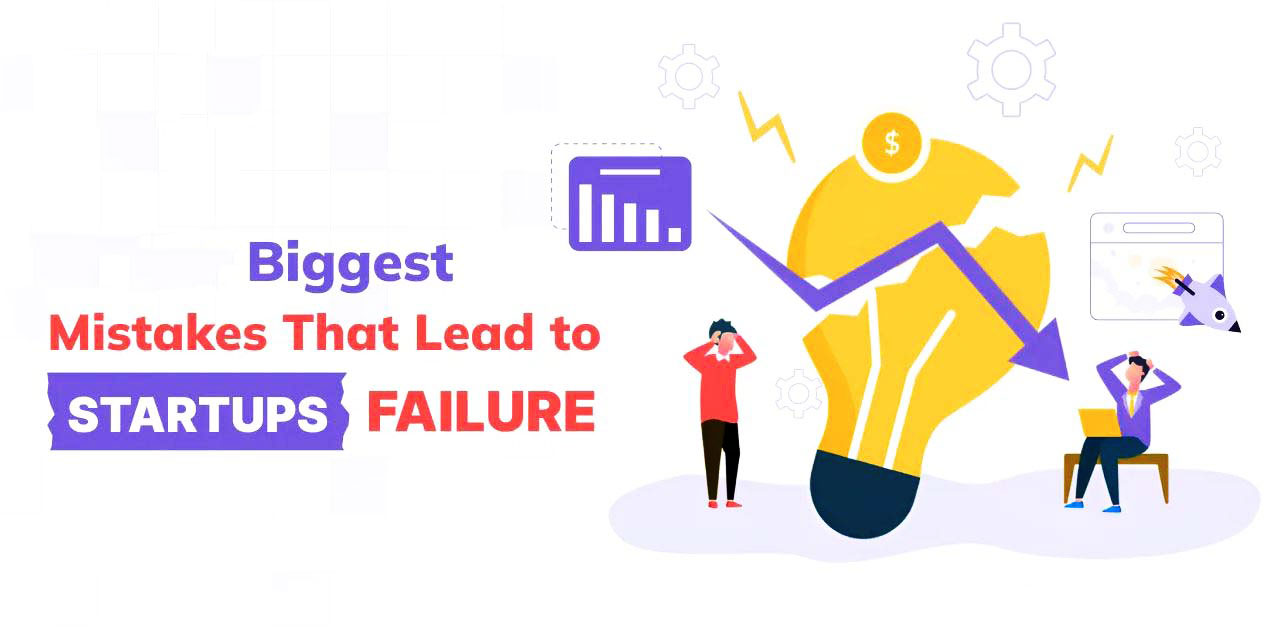
The Unspoken Lessons Hidden In The Collapse Of Startups And The Resilience That Rises From Their Ashes
The Fragile Beginning Of Bold Ideas
Every startup begins as a promise. It starts in a room filled with ambition, coffee, and conviction that this time, the world will notice. Founders dream of disruption, of leaving their mark, of solving something no one else has dared to touch. Yet, beneath that courage lies fragility. The same energy that fuels creation also feeds risk. The early stages of any startup are uncertain, balancing excitement with exhaustion. It is easy to believe that passion alone can carry a venture forward, but reality waits with its own set of lessons. Market timing, funding, product-market fit, and execution begin to test ideals that once felt unshakable. Many young companies fail not because their ideas are weak, but because they are unprepared for the unpredictable rhythm of growth.
At first, failure feels personal. It feels like a reflection of incompetence or misjudgment. But in truth, it is often structural. The ecosystem of startups thrives on experimentation, and experiments by definition fail more often than they succeed. Every breakthrough product stands on the graves of a hundred unsuccessful prototypes. The startup landscape mirrors evolution itself, where adaptation defines survival. Those who fail learn faster, pivot sooner, and see patterns others overlook. Understanding this reality reframes failure from humiliation into research, from defeat into data. The first truth of entrepreneurship is not victory, it is vulnerability.
The Hidden Patterns Behind Startup Collapses
While every failed startup has its own story, patterns emerge across industries and eras. The most common is the illusion of product-market fit. Many founders build what they think people want instead of what people need. In the excitement of creation, they chase features rather than feedback, beauty rather than utility. Another frequent cause is the lack of cash flow discipline. Startups often overestimate short-term growth and underestimate operational costs. They rely heavily on external funding without building sustainable revenue models, leaving them exposed when investment slows.
Team dynamics also play a crucial role. A brilliant idea can be destroyed by poor communication, misaligned expectations, or unchecked egos. Startups are small ecosystems where every conflict magnifies impact. A disagreement between co-founders can cascade into instability that no amount of money can fix. Timing, too, is a silent assassin. Entering a market too early can be as fatal as entering too late. External forces, economic downturns, technological shifts, regulatory changes, can derail even the best-prepared teams. Yet, the most tragic pattern of all is when founders refuse to adapt. The inability to pivot, to listen, or to let go of assumptions often seals a company’s fate long before its last day.
The Psychology Of Failure
When a startup fails, it is not just a business that collapses. It is an identity. Founders invest not only money but emotion, reputation, and years of effort into their ventures. The end of a startup can feel like the loss of self. Depression, guilt, and isolation are common among entrepreneurs after closure. Society romanticizes success but rarely acknowledges the emotional labor behind ambition. This silence around failure deepens its stigma. Many founders hesitate to share their experiences publicly, fearing judgment or diminished credibility.
However, those who do speak up often describe the aftermath as transformative. Failure strips away illusions, leaving behind a raw clarity that no success can teach. It exposes what truly matters, purpose, people, and process. Many second-time founders emerge stronger because they understand what not to do. They know how to measure risk, how to hire wisely, and how to listen to the market. They learn to detach their worth from their company’s survival. The psychology of failure teaches humility, which becomes the foundation of maturity. In the end, entrepreneurship is less about triumph than it is about endurance.
The Industry That Profits From Failure
Ironically, startup failures fuel progress for the entire ecosystem. Investors, accelerators, and competitors learn as much from failure as from success. Every post-mortem becomes a roadmap for future ventures. Incubators analyze why ideas failed to identify gaps in support systems or market insight. Angel investors recalibrate their risk assessment strategies, improving how capital flows into early-stage companies. Even failed startups themselves often leave behind intellectual property, data, or technology that becomes the seed for future innovation.
For example, many of today’s leading tech companies emerged from the remnants of failed projects. Founders who closed one company often went on to launch another, applying their hard-earned lessons to achieve success. The ripple effect of failure sustains innovation by preventing stagnation. The ecosystem becomes more resilient because each collapse removes inefficiency and sharpens collective awareness. Failure, in this context, is not destruction, it is regeneration. It fertilizes the soil from which stronger ideas grow. The industry that learns to embrace this cycle thrives far longer than one that fears it.
The Cultural Divide In How We View Failure
Different cultures perceive failure through vastly different lenses. In Silicon Valley, failure is often a badge of honor, a sign of experience and risk-taking. Investors there are more likely to back a founder who has failed once and learned from it than one who has never tested their ideas at all. In contrast, many cultures still associate failure with shame, discouraging experimentation. In such environments, entrepreneurs hide their mistakes instead of analyzing them, robbing others of valuable insight. This difference in cultural attitudes can determine how innovative a region becomes. Where failure is accepted, innovation flourishes. Where it is punished, creativity retreats into silence.
Entrepreneurship education now aims to challenge this stigma globally. Schools and accelerators encourage founders to treat failure as an inevitable phase of growth. Case studies of failed ventures are being included alongside stories of billion-dollar exits. By normalizing failure, educators help reshape how future generations approach risk. The goal is not to glorify collapse but to deconstruct it. Failure, seen clearly, becomes an essential element of innovation rather than an obstacle to it. It teaches adaptability, resilience, and empathy, the traits that truly sustain leadership in a volatile world.
The Unseen Cost Of Success Obsession
In today’s digital age, where founders are constantly exposed to highlight reels of successful peers, the fear of failure has intensified. Social media glorifies the myth of overnight success, creating unrealistic expectations for entrepreneurs. Many founders chase validation rather than vision, optimizing for attention instead of authenticity. This obsession with visibility drives premature scaling and reckless decision-making. Startups expand too fast, hire too quickly, and lose focus on the core problem they set out to solve. The cost of this illusion is not just financial but psychological. It creates burnout, imposter syndrome, and disconnection from the original mission.
Entrepreneurs who embrace the inevitability of failure learn to pace themselves. They build endurance instead of ego. They celebrate small wins, seek feedback, and maintain perspective. They recognize that success without sustainability is simply a slower form of failure. Education and mentorship programs now emphasize this holistic view. They remind founders that building something meaningful requires patience and alignment. Success measured by vanity metrics fades; success grounded in purpose endures. The true cost of success obsession is the loss of reflection. Without it, even the most promising ventures eventually lose direction.
Learning From The Fallen
There is an art to studying failure. The best post-mortems read like detective stories, analyzing clues, motives, and missed opportunities. Startups that share their failure stories publicly contribute to collective intelligence. Platforms like CB Insights, Failory, and Medium have become libraries of these narratives. They reveal recurring themes: ignoring user feedback, neglecting financial discipline, misjudging market readiness, or overcomplicating the product. But they also highlight courage, the courage to document and dissect one’s mistakes. This transparency helps others navigate the same challenges with greater foresight.
Investors, educators, and policymakers have begun to integrate failure analysis into strategy. Venture capital firms use data from failed startups to design smarter portfolios. Governments use it to craft better support programs for small businesses. Founders use it to identify early warning signs within their own companies. By turning failure into a shared resource, the startup ecosystem evolves beyond individual success. It becomes a living archive of human persistence. The act of learning from the fallen transforms failure from a closed chapter into an open textbook.
The Rebirth After The Fall
The story of startup failure rarely ends with loss. More often, it marks the beginning of reinvention. Founders who recover from collapse carry a sharper intuition, deeper humility, and greater awareness of how systems truly work. They understand timing, culture, and context with precision that only lived experience can teach. Many of the world’s most influential companies were founded by entrepreneurs who had failed before. What separates them is not luck, but persistence. They return to the arena with a refined sense of balance, ambitious yet grounded, creative yet cautious.
In the culture of innovation, failure is not the opposite of success. It is the companion that teaches us how to achieve it wisely. StartUpSphere exists to celebrate both, the victories that inspire and the lessons that humble. Every fallen startup carries within it a fragment of the future. When those fragments are shared, they form a mosaic of progress. To build, to break, and to build again, that is the true rhythm of entrepreneurship. The world does not move forward because we avoid failure. It moves forward because we learn to rise from it.